Quick Takeaways
The “Efficiency Gap”: In desert environments, heat and dust can reduce solar output by 15–20%, making specialized equipment selection essential.
Environmental Life Cycle: Beyond clean energy production, investors must consider the initial carbon footprint of manufacturing and the necessity of end-of-life recycling.
Mitigation via Technology: High-efficiency panels with low thermal coefficients are the standard for maintaining performance in high-temperature regions.
Strategic EPC Importance: Partnering with an experienced Solar EPC (Engineering, Procurement, and Construction) provider is the single most effective way to minimize operational risks.
Storage Sustainability: While Lithium-ion batteries boost reliability, they require professional management to mitigate environmental hazards and maximize financial returns.
Key Takeaways
Overview of solar power and its growth in global renewable energy.
Potential negative effects: environmental, operational, and financial.
How Solar panel efficiency is impacted by heat, dust, and aging.
Considerations for solar energy battery storage and lifecycle impacts.
Financial implications: solar investment tax credits and ROI considerations.
Mitigation strategies to reduce negative effects and maximize Solar Panels Investment.
Role of solar EPC providers in ensuring sustainable, efficient solar projects.
Comparison of benefits vs. drawbacks for long-term investors and renewable energy private equity players.
At Steelbridge Export, we’ve helped countless businesses navigate the complex world of solar energy projects. While solar energy offers massive benefits for sustainability and cost savings, it’s crucial for investors and developers to understand the potential negative effects of solar power. From operational challenges to financial considerations, being informed ensures you can maximize your Solar Panels Investment while minimizing risks.
Understanding Solar Power Limitations
While solar energy is one of the cleanest forms of electricity, it isn’t without limitations. Solar panel efficiency can decline over time due to environmental factors such as high temperatures, dust accumulation, and shading. In desert regions, the PV thermal coefficient impact in desert regions can reduce output by up to 15–20% in peak heat, affecting overall energy yield.
Furthermore, the production of solar panels involves energy-intensive processes that create an initial carbon footprint, which should be accounted for in solar investment calculations.
Environmental Concerns
Although solar panels reduce reliance on fossil fuels, they present certain environmental concerns:
Material use: Panels require metals like silver, aluminum, and rare earth elements, which involve mining impacts.
End-of-life disposal: Without proper recycling, decommissioned panels can contribute to waste.
Battery storage impacts: Solar energy battery storage systems, particularly lithium-ion, pose environmental hazards if not managed responsibly.
Being aware of these challenges allows solar energy project developers in the Middle East and elsewhere to implement mitigation strategies from the start.
Operational Challenges for Solar EPC Projects
Solar EPC providers play a critical role in minimizing operational risks. Challenges include:
Dust and sand accumulation lowering panel output in desert environments.
High temperatures reducing solar panel efficiency.
Inconsistent sunlight patterns or extreme weather events.
Grid integration issues with intermittent energy production.
By partnering with experienced solar EPC firms, businesses can optimize their utility-scale solar or photovoltaic system designs to ensure stable energy output.
Financial Implications
Investors often focus on incentives like solar investment tax credits and financing options for Solar Panels Investment. However, there are costs associated with mitigating negative effects:
Cleaning and maintenance in high-dust areas.
Replacing degraded panels or underperforming modules.
Ensuring safe and effective solar energy battery storage systems.
Understanding the what is the return on investment for solar panels in your specific environment is key. Projects with high upfront costs may still deliver strong long-term ROI if negative effects are properly managed.
Comparing Solar Power vs. Traditional Energy
When weighing solar energy efficiency against traditional energy sources:
Solar panels reduce carbon emissions and operational fuel costs.
Fossil fuels provide consistent output but contribute to environmental harm.
Solar requires careful planning, especially in harsh climates like the Middle East.
Investors using renewable energy private equity often find that the long-term benefits of solar outweigh the negatives, particularly when paired with tax incentives and modern project finance structures.
Mitigation Strategies
To reduce the negative effects of solar power, consider:
High-efficiency PV panels with lower thermal coefficients for hot climates.
Regular cleaning and maintenance programs for desert or dusty regions.
Battery systems designed for durability and minimal environmental impact.
Partnering with top solar EPC companies for optimized system design.
Leveraging turnkey solar plant contracts Middle East to ensure performance guarantees.
Properly addressing these factors ensures that solar panels for business maintain efficiency and ROI over decades.
The Role of Policy and Incentives
Government programs and incentives, such as solar investment tax credits, help offset initial costs and improve financial feasibility. Understanding local policies is crucial for investors and developers in regions like the UAE. These incentives also encourage adoption of advanced technologies, improved solar energy battery storage, and enhanced solar energy efficiency standards.
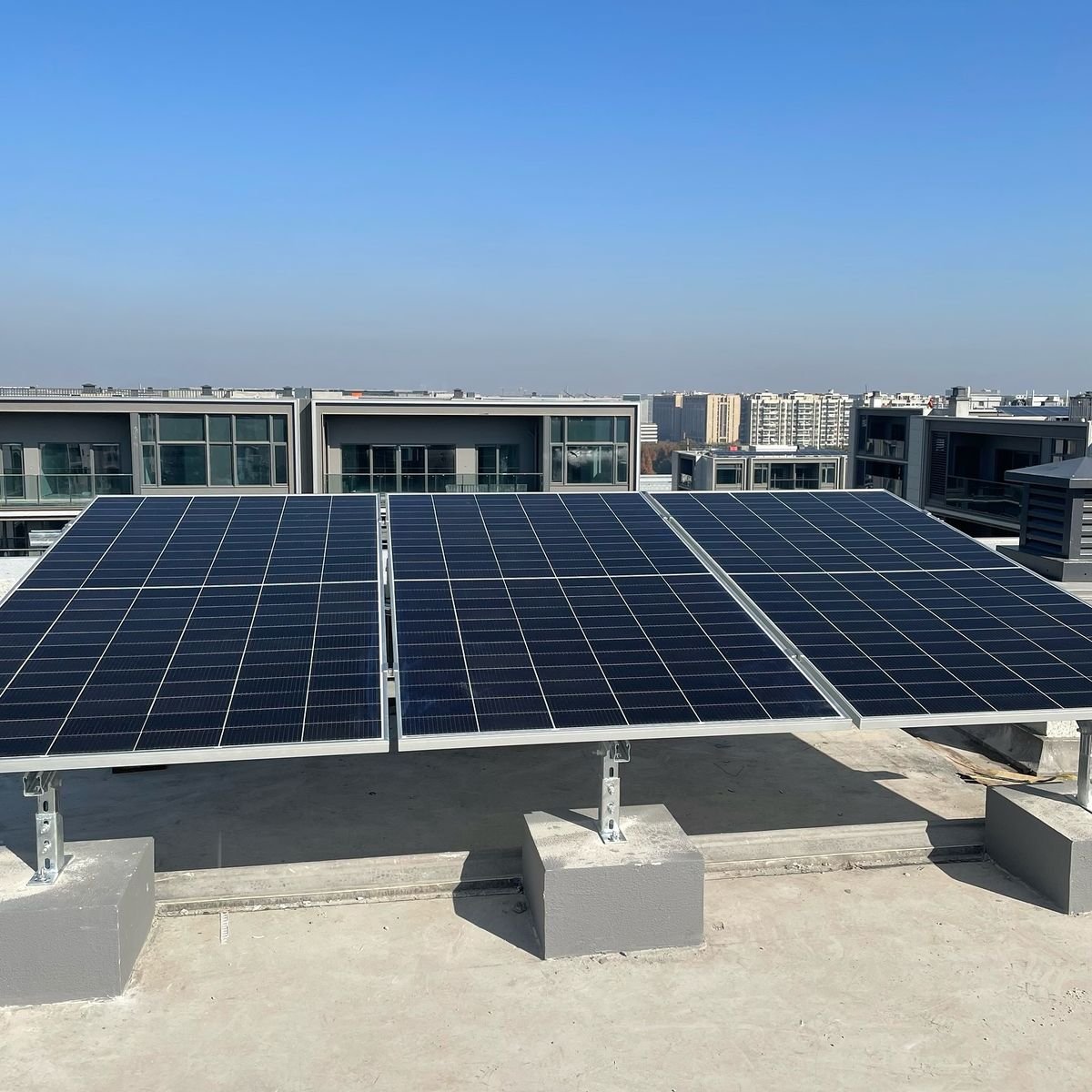 Long-Term Benefits vs. Drawbacks
Even with potential negative effects, solar projects provide:
Predictable energy costs.
Reduced environmental footprint.
Opportunities for long-term investment and high ROI projects.
Balancing these benefits against operational, environmental, and financial risks is key for decision-making in renewable energy private equity.
Case Studies and Industry Insights
Leading solar energy project developers in the Middle East have successfully implemented strategies that mitigate negative effects:
Installing PV panels with advanced heat tolerance.
Using smart battery storage solutions to maximize efficiency.
Partnering with solar EPC firms for comprehensive project management.
These steps have helped ensure that Solar Panels Investment projects deliver strong, predictable returns while minimizing environmental impact.
Conclusion
Understanding the negative effects of solar power allows investors and developers to make informed decisions. By considering solar panel efficiency, solar energy battery storage, and financial tools like solar investment tax credits, you can maximize what is the return on investment for solar panels. The key is partnering with experienced solar EPC providers and leveraging expertise in utility-scale solar development.
We collaborate with YeniSana Energy Company located in Middle east for your solar energy projects.
Summary
This article provides a transparent look at the dual nature of solar energy investments. While the benefits of sustainability and cost reduction are clear, successful long-term ROI depends on acknowledging and mitigating the “negative effects” of solar power. In regions like the Middle East, environmental factors such as extreme heat (the PV thermal coefficient) and sand accumulation pose significant operational challenges. However, by leveraging financial incentives like Solar Investment Tax Credits and partnering with specialized firms such as Steelbridge Export and YeniSana Energy, these risks can be managed. The goal is to move beyond simple installation to a comprehensive life-cycle strategy that includes high-efficiency hardware, robust maintenance, and responsible disposal, ensuring that a “green investment” remains both ecologically and financially profitable for decades.
FAQs
1. What is the primary negative effect of solar power on a system’s output? The most significant operational concern is efficiency loss. Environmental stressors—specifically high ambient temperatures and dust accumulation—can decrease energy yield by up to 20% if the system is not properly optimized for its climate.
2. How does solar energy battery storage impact the overall investment? Battery storage systems are essential for energy independence and grid stability. However, they add to the initial capital expenditure and introduce environmental considerations regarding the sourcing and disposal of lithium-ion components. Strategic planning ensures the reliability they provide outweighs these factors.
3. Can solar investment tax credits offset the negative financial effects? Yes. Government incentives and tax credits are vital tools that help absorb high upfront costs and the expenses associated with advanced mitigation technologies (like high-heat tolerant panels), ultimately accelerating the project’s Return on Investment (ROI).
4. Why are Solar EPC companies considered critical for large-scale projects? An experienced EPC provider optimizes the entire system design to handle local challenges. From selecting panels with superior thermal coefficients to designing automated cleaning schedules for dusty environments, they are the primary defense against underperforming assets.
5. Is the ROI for solar panels still strong in harsh, desert climates? Absolutely. While the environment is challenging, the abundance of sunlight provides a massive energy resource. With the right mitigation strategies—such as heat-tolerant technology and professional O&M (Operations and Maintenance)—solar remains a highly profitable asset for long-term investors.
Ready to build a resilient and high-yield solar project? Don’t let operational risks diminish your returns. Contact Steelbridge Export today to learn how our collaboration with YeniSana Energy provides the expert EPC services and high-efficiency equipment needed to maximize your solar investment in any environment.