
Quick Takeaways
Cost vs. Value: High initial costs are mitigated by choosing optimized equipment packages and verified brands to ensure a faster ROI.
Storage Evolution: Modern lithium-ion batteries and hybrid systems effectively solve the “nighttime energy” and storage degradation problems.
Efficiency Boost: High-output panels and smart layouts allow for maximum power generation even in limited spaces or low-light conditions.
Environmental Responsibility: Modern panels are up to 95% recyclable, aligning with circular economy and green investment goals.
Quality Assurance: Partnering with a verified supplier like Steelbridge Export eliminates supply chain risks and ensures components last 25+ years.
What Are the Biggest Problems with Solar Energy — and How to Solve Them with the Right Solar Power Plant Equipment!
Solar power is often seen as the perfect renewable solution—but even the most promising technologies have their challenges. From high upfront costs to energy storage limitations, understanding these problems is the first step toward smarter solar investment.
Key Features
✅ Common challenges in adopting solar energy explained simply.
✅ Full solar power plant equipment list for better planning.
✅ Why Steelbridge Export is a reliable solar equipment supplier.
✅ Honest talk about solar battery efficiency and lifespan.
✅ Real-world tips for smart green investment in solar power.
✅ Comparison between old vs. new solar technologies.
✅ FAQ after every section for quick and useful answers.
Understanding the Challenges Behind Solar Energy
At Steelbridge Export, a trusted solar power plant equipment supplier, we’ve helped clients across the Middle East overcome these challenges through smart product choices and system design. With years of experience in green investment projects, we know what works—and what doesn’t—when it comes to building reliable solar energy systems.
💬 FAQ: Is solar energy renewable?
Answer: Yes, solar energy is 100% renewable because it comes from the sun—an infinite and natural source of power.
 Problem #1: High Initial Investment Costs
Let’s be honest—solar systems aren’t cheap. The upfront cost of solar panels, inverters, mounting systems, and solar batteries can feel overwhelming for many investors. However, this is one of those cases where “you get what you pay for.”
Steelbridge Export helps clients reduce costs by offering complete solar power plant equipment lists with verified brands and optimized configurations. By selecting efficient modules and long-lasting components, the return on investment becomes faster and more predictable.
💬 FAQ: How can I reduce the initial cost of solar installation?
Answer: Buy from certified suppliers like Steelbridge Export, who offer package deals and verified long-term warranties.
Problem #2: Solar Battery Storage Limitations
Energy storage remains a major hurdle. The sun doesn’t shine 24/7, which means solar systems rely on solar batteries to store excess energy. However, batteries can be expensive and degrade over time.
Modern lithium-ion technologies have improved battery life, but poor quality or mismatched systems can still lead to inefficiency. That’s why Steelbridge Export only provides tested and performance-rated batteries, ensuring better storage and durability for all climate conditions.
💬 FAQ: How long do solar batteries last?
Answer: High-quality lithium-ion batteries typically last 10–15 years, depending on temperature and usage cycles.
Problem #3: Space Requirements for Solar Power Plants
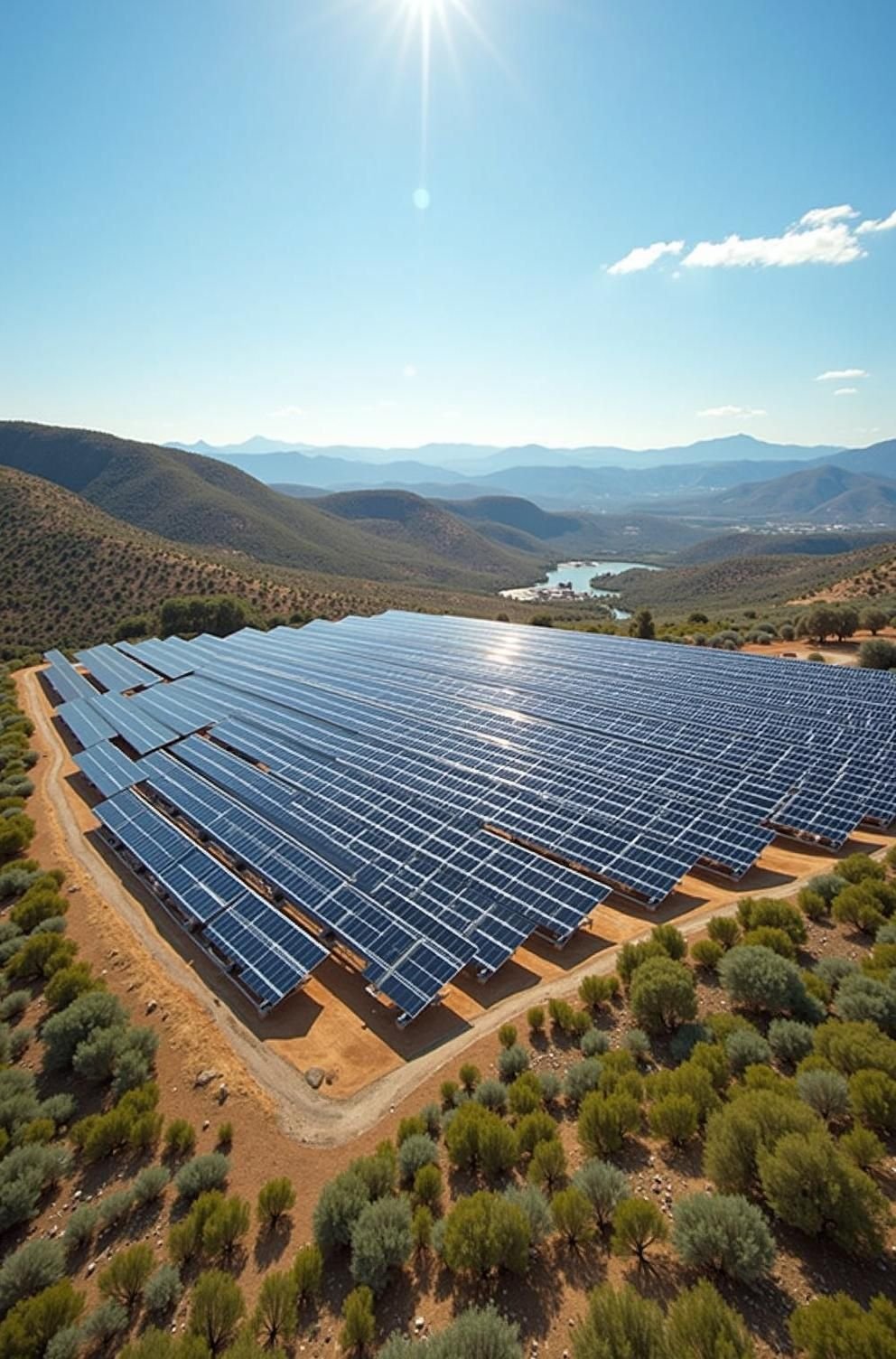
Installing a solar power plant requires significant land or roof space. Especially for commercial and industrial systems, finding suitable areas with ideal sunlight exposure can be challenging.
Our team at Steelbridge Export helps clients design compact yet high-output solar layouts, maximizing power generation per square meter. With advanced tracking systems and high-efficiency panels, we help investors make the most out of limited space.
💬 FAQ: Can I install a solar system if I have limited roof space?
Answer: Yes. Using high-efficiency panels and smart mounting structures can help you achieve more energy from smaller areas.
Problem #4: Weather and Climate Dependency
Solar energy depends on sunlight—so cloudy or rainy days can reduce performance. However, new photovoltaic technologies and bifacial panels now allow systems to generate power even in diffuse or indirect light.
Steelbridge Export supplies weather-adaptive components that perform well across the Middle East’s diverse climates—from humid coastal regions to hot desert environments. This ensures consistent productivity year-round.
💬 FAQ: Does solar energy work during cloudy or rainy days?
Answer: Yes, though output drops slightly, modern panels can still produce power from indirect sunlight.
Problem #5: Disposal and Recycling Concerns
People often ask what happens to solar panels at the end of their life. The truth is—older models lacked proper recycling plans. But the modern industry is changing.
Brands distributed by Steelbridge Export follow eco-certified recycling programs, ensuring up to 95% material recovery from end-of-life panels. This commitment aligns with green investment principles and promotes circular manufacturing.
💬 FAQ: Are solar panels recyclable?
Answer: Yes, glass, aluminum frames, and even silicon cells can be recycled and reused in new panels.
Related Articles:
- Environmental Impact of Solar Energy: Myths vs. Facts
- Why Solar Energy Is the Key to a Sustainable Future | 2025 Exclusive Insight
Problem #6: Efficiency Drop Over Time
Solar panels don’t stop working—but they do lose efficiency gradually, typically around 0.5% per year. By year 25, most panels operate at about 85–90% capacity.
The good news? High-quality products from trusted suppliers like Steelbridge Export and global brands maintain efficiency much longer. Investing in durable modules minimizes maintenance and ensures long-term profitability.
💬 FAQ: Can I improve my solar panel efficiency?
Answer: Yes. Regular cleaning, system monitoring, and quality components help maintain top efficiency.
 Problem #7: Complex Supply Chain and Quality Variability
Not all solar power plant equipment is created equal. The market is flooded with low-cost suppliers offering cheap but unreliable parts. A single weak component can compromise the entire system’s output.
Steelbridge Export ensures supply chain transparency and delivers complete solar power plant equipment lists from certified global manufacturers. Each component—from inverters to connectors—is tested for long-term reliability and compliance.
💬 FAQ: Why should I buy from verified solar suppliers?
Answer: Verified suppliers guarantee authenticity, warranties, and long-term technical support that prevent costly replacements.
Problem #8: Financing and Return on Investment
Even though the long-term savings of solar energy are clear, many investors hesitate due to financing barriers. But as green investment incentives grow across the Middle East, governments and private sectors are offering tax breaks and subsidies.
Steelbridge Export helps clients structure solar projects for maximum ROI, offering expert advice on equipment selection and cost optimization.
💬 FAQ: How long does it take to recover the cost of a solar system?
Answer: Most commercial systems achieve ROI in 4–6 years, depending on size, location, and system design.
Problem #9: Energy Storage for Nighttime Use
Nighttime is when solar systems rely entirely on solar battery storage or hybrid grid setups. Poor energy management can cause power shortages.
Modern hybrid systems—like those integrated by Steelbridge Export—balance on-grid and off-grid energy seamlessly, ensuring continuous power supply without wastage.
💬 FAQ: Can I run my home fully on solar power at night?
Answer: Yes, with a properly sized battery system or hybrid inverter, you can achieve near 24-hour power coverage.
Problem #10: Maintenance and Cleaning Challenges
Dust, sand, and debris can lower solar output, especially in desert regions. Regular cleaning is crucial but must be done carefully to avoid damage.
Steelbridge Export provides maintenance support and access to automated solar cleaning systems, ideal for large-scale solar farms. This ensures panels remain clean, safe, and efficient.
💬 FAQ: How often should I clean my solar panels?
Answer: Every 2–3 months for residential setups and monthly for desert or industrial installations.
Summary
Solar energy is a powerful renewable resource, but it faces several practical hurdles including high upfront investments, energy storage limitations, and maintenance challenges in harsh climates. This article explains that these “problems” are no longer deal-breakers but engineering tasks that can be solved with the right technology. By utilizing advanced equipment—such as high-efficiency bifacial panels, long-lasting lithium-ion batteries, and automated cleaning systems—investors can overcome weather dependency and efficiency drops. Steelbridge Export acts as a strategic partner, providing certified equipment lists that transform solar projects into reliable, high-yield green investments with a typical payback period of 4 to 6 years.
FAQs
1. How can I reduce the high initial cost of a solar power plant? The best way to lower upfront costs is to work with certified suppliers who offer complete, optimized equipment packages. This prevents over-spending on mismatched components and ensures long-term warranties that protect your capital.
2. What is the average lifespan and efficiency of modern solar panels? High-quality panels typically lose only about 0.5% of their efficiency per year. After 25 years, most top-tier modules still operate at 85–90% of their original capacity, ensuring decades of profitable energy production.
3. Is it possible to run a facility entirely on solar power during the night? Yes. By integrating a properly sized lithium-ion battery storage system or a hybrid inverter setup, you can store excess daytime energy to power your operations 24/7 without relying on the grid.
4. How does weather (like clouds or dust) affect solar performance? While output drops during cloudy days, modern photovoltaic cells can still generate power from indirect light. In dusty or desert regions, regular cleaning (monthly) and the use of weather-adaptive components help maintain peak performance.
5. Are solar panels environmentally friendly at the end of their life? Absolutely. The modern solar industry has established eco-certified recycling programs. Up to 95% of materials—including glass, aluminum frames, and silicon cells—can be recovered and reused in new manufacturing cycles.
Stop letting technical challenges hold back your green energy transition! Contact Steelbridge Export today for a professional consultation and a complete solar power plant equipment list tailored to your specific climate and budget. Let’s build your sustainable future together.



2 Comments
A really good blog and me back again.
wish you all the best