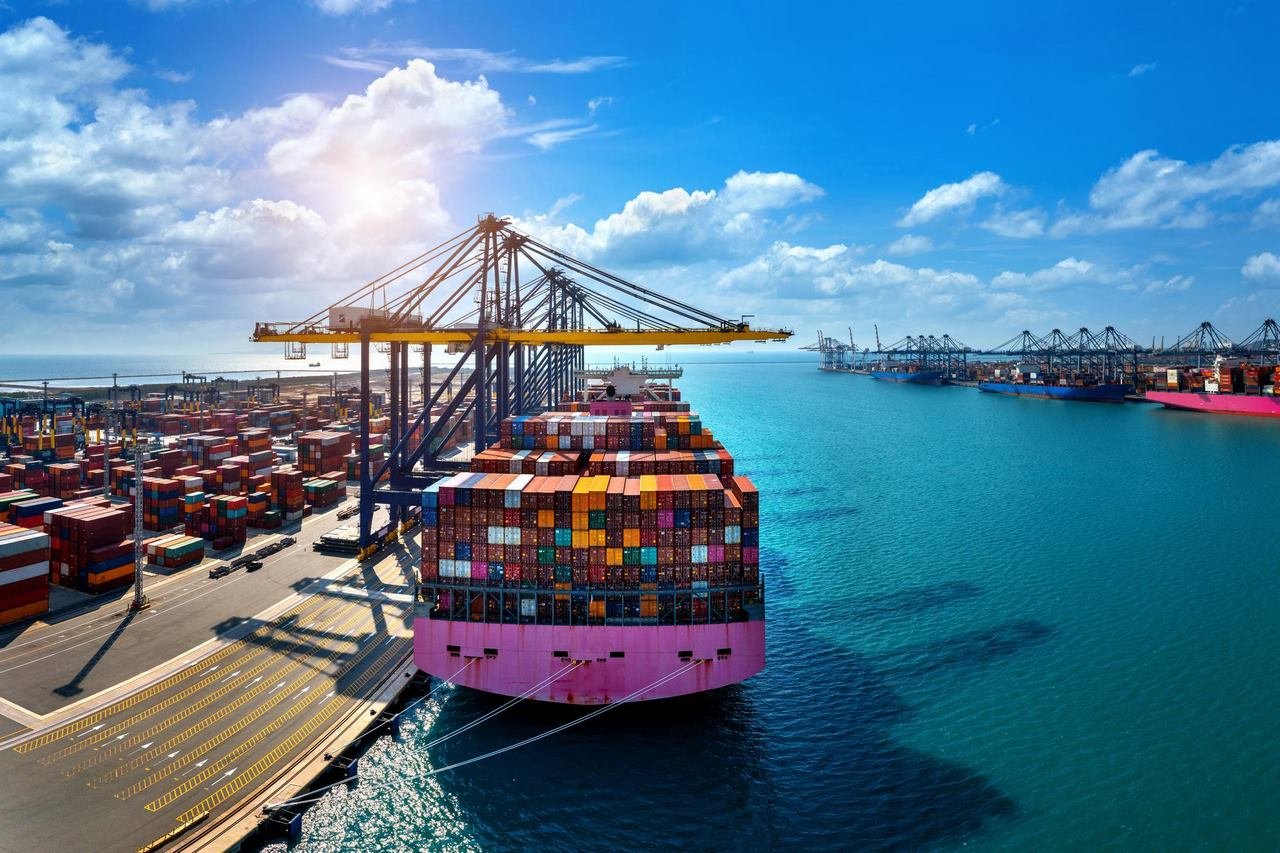

For any business involved in importing or exporting industrial materials—be it raw metals, machinery, or high-value components—customs clearance for industrial goods is a critical part of the logistics puzzle. A smooth clearance process not only ensures timely delivery but also avoids costly delays, penalties, and even confiscation.
Understanding the Essentials of Customs Clearance for Industrial Goods
At Steelbridge Export, we’ve handled customs procedures across more than 40 countries. From complex metal procurement in Asia to project-level deliveries in the Middle East and Africa, our team understands that customs clearance isn’t just paperwork—it’s a vital step in safeguarding supply chain efficiency.
This guide walks you through the customs clearance process for industrial goods and provides actionable tips to streamline operations and ensure compliance in global trade.
What Is Customs Clearance?
Customs clearance is the formal process of passing goods through a country’s customs authority for import or export. For industrial goods, this involves a more thorough and detailed process than standard consumer products due to factors like:
Higher declared value
Technical documentation requirements
Safety, regulatory, and inspection protocols
Industry-specific tariffs and HS (Harmonized System) codes
Customs authorities assess these goods for duties and taxes and ensure compliance with national laws. Getting this step wrong can create serious disruptions, especially for industries operating on tight just-in-time schedules.
 Step-by-Step: How to Prepare for Customs Clearance
1. Classify Goods Accurately Using HS Codes
Each item being shipped must be assigned the correct Harmonized System code. These six-to-ten-digit numbers determine how much duty is owed, what documentation is needed, and whether special regulations apply. Misclassification is one of the most common causes of delays in customs clearance for industrial goods.
2. Prepare Commercial Invoices & Packing Lists
Clear, itemized invoices are essential. Your invoice should include:
Description of goods
Quantity and weight
Value
Country of origin
Payment terms
Incoterms used
The packing list should match the invoice and detail how goods are arranged, boxed, or palletized.
3. Obtain the Right Import/Export Licenses
Depending on your destination country and the nature of your goods (e.g., copper wiring, aluminum sheets, or transformers), you may need an import license or certificate of conformity. For example, many Middle Eastern countries require specific standards certifications for industrial equipment.
4. Ensure Proper Labeling & Packaging
Regulations often require labeling in the local language, particularly for dangerous goods or chemicals. Packaging must also comply with transit and handling laws—especially for fragile or hazardous items.
Common Pitfalls in Customs Clearance for Industrial Goods
Even experienced logistics teams can fall into these traps:
Incorrect or incomplete paperwork: Customs authorities will delay or seize goods if invoices, licenses, or declarations are missing or inconsistent.
Non-compliance with import laws: Failing to follow local technical regulations or industry standards.
Under- or over-valuation of goods: Customs may challenge declared values that are too low (to avoid duties) or too high (raising red flags).
Avoiding these issues requires deep understanding of both the legal framework and operational side of customs clearance for industrial goods.
Working with Customs Brokers
Customs brokers are licensed professionals who specialize in helping companies navigate clearance procedures. They:
Ensure documents are complete and accurate
Communicate with customs authorities
Arrange inspections if needed
Advise on duty rates and exemptions
At Steelbridge Export, we regularly partner with customs brokers in strategic ports like Shanghai, Jebel Ali, Rotterdam, and Mombasa. These relationships reduce clearance times and prevent bottlenecks—especially when moving high-volume industrial shipments.
 Customs Considerations by Region
Middle East & North Africa (MENA)
Countries in this region often enforce strict compliance and can require advance inspection certificates. For example, Saudi Arabia and Egypt have digital platforms (like SABER and GOEIC) that importers must register on before shipping.
Asia-Pacific
China, India, and Indonesia have robust but complex import procedures. Be mindful of product certification and documentation like the China Compulsory Certificate (CCC).
European Union
The EU uses the TARIC database to standardize customs across member states. However, industrial goods can still face additional checks for CE compliance and environmental directives like RoHS.
Africa
Many African ports require pre-shipment inspection (PSI) and destination inspection reports. These are third-party evaluations done before the goods leave the exporting country.
Understanding these regional nuances is key for achieving smooth customs clearance for industrial goods across borders.
Digitalization and e-Customs Systems
Governments around the world are modernizing their customs systems with digital tools to:
Reduce paperwork
Automate risk-based inspections
Speed up document verification
Platforms like the EU’s Customs Decision System (CDS), Singapore’s TradeNet, and the UAE’s Mirsal 2 are transforming how industrial goods are cleared.
To benefit from these systems:
Submit documents electronically
Use e-signatures
Register for Authorized Economic Operator (AEO) status
Companies who embrace digital customs systems see faster turnaround, lower compliance costs, and reduced physical inspections.
Special Tips for High-Value or Sensitive Industrial Goods
Certain items require even more planning:
Machinery with embedded software: May be subject to export control laws
Raw materials like cobalt, nickel, or rare earths: Might face sanctions or environmental regulations
Industrial goods for military or dual-use purposes: Need security clearance and government licenses
Using tools like advance rulings (which pre-determine duty classifications), can give importers certainty and reduce risks.
 Final Thoughts: Proactive Compliance is the Best Investment
Successful customs clearance for industrial goods isn’t just about passing an inspection—it’s about strategic foresight, documentation excellence, and choosing the right partners.
Here’s what to remember:
Always validate HS codes with a certified expert
Keep documentation consistent and accurate
Monitor regional regulatory changes
Invest in long-term relationships with brokers and logistics firms
By making customs a core part of your logistics planning, you save time, avoid fines, and increase competitiveness in global industrial trade.
FAQ
- What is customs clearance for industrial goods?
Customs clearance for industrial goods is the formal process of declaring, inspecting, and approving high-value or technical cargo—such as metals, machinery, or raw materials—through a country’s customs authority. It involves verifying HS codes, submitting licenses, and ensuring compliance with import/export regulations before goods can enter or leave a country. - Why is customs clearance more complex for industrial goods?
Industrial goods often have higher declared value, require technical documentation, and must comply with specific safety, regulatory, and environmental standards. These items may also fall under dual-use or restricted categories, which trigger more thorough inspections and licensing requirements compared to consumer goods. - What are the most common mistakes in customs clearance for industrial shipments?
Frequent errors include misclassification of HS codes, incomplete commercial invoices, failure to obtain necessary import/export licenses, and under- or over-valuation of goods. These issues can lead to shipment delays, penalties, or even seizure by customs authorities. - How can digital customs systems streamline clearance for industrial goods?
E-customs platforms like the EU’s CDS, Singapore’s TradeNet, and UAE’s Mirsal 2 automate document submission, risk-based inspections, and permit processing. By using these systems, businesses reduce paperwork, accelerate approval times, and gain real-time visibility into clearance status. - How does Steelbridge Export support customs clearance for industrial trade?
Steelbridge Export partners with certified customs brokers across global ports and ensures documentation accuracy, HS code validation, and regulatory compliance. With experience in over 40 countries, the company offers proactive customs strategies that reduce clearance delays and safeguard international supply chains.
More like this article: